The philosophy
Existence is coexistence.
Madhyastha Darshan is a philosophy of living in harmony with oneself, family, society and nature, presented by A. Nagraj (1920–2016).
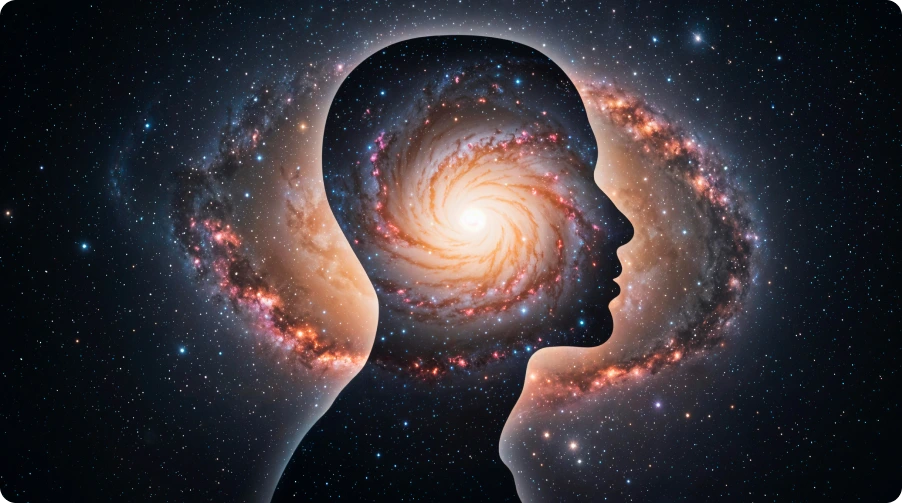
In one minute
Material nature, conscious nature and space are in a constant relationship of coexistence. A human being is a conscious self (jeevan) together with a body.
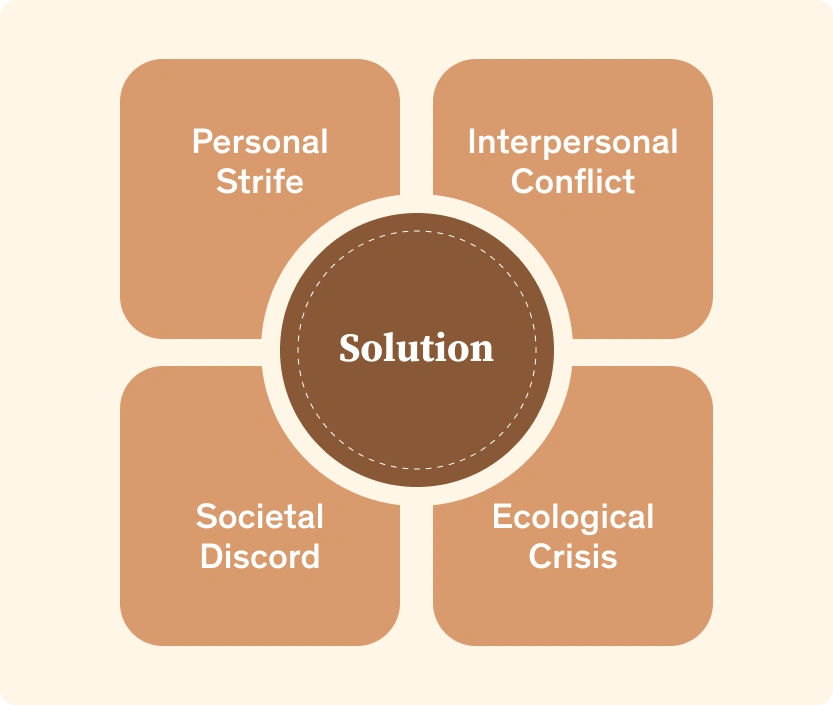
Personal strife, family conflict, social discord and ecological damage all grow from an incomplete understanding of who we are and how we relate to the world.
Understanding, not belief. The philosophy asks to be studied and verified by reason and by living experience, one step at a time.
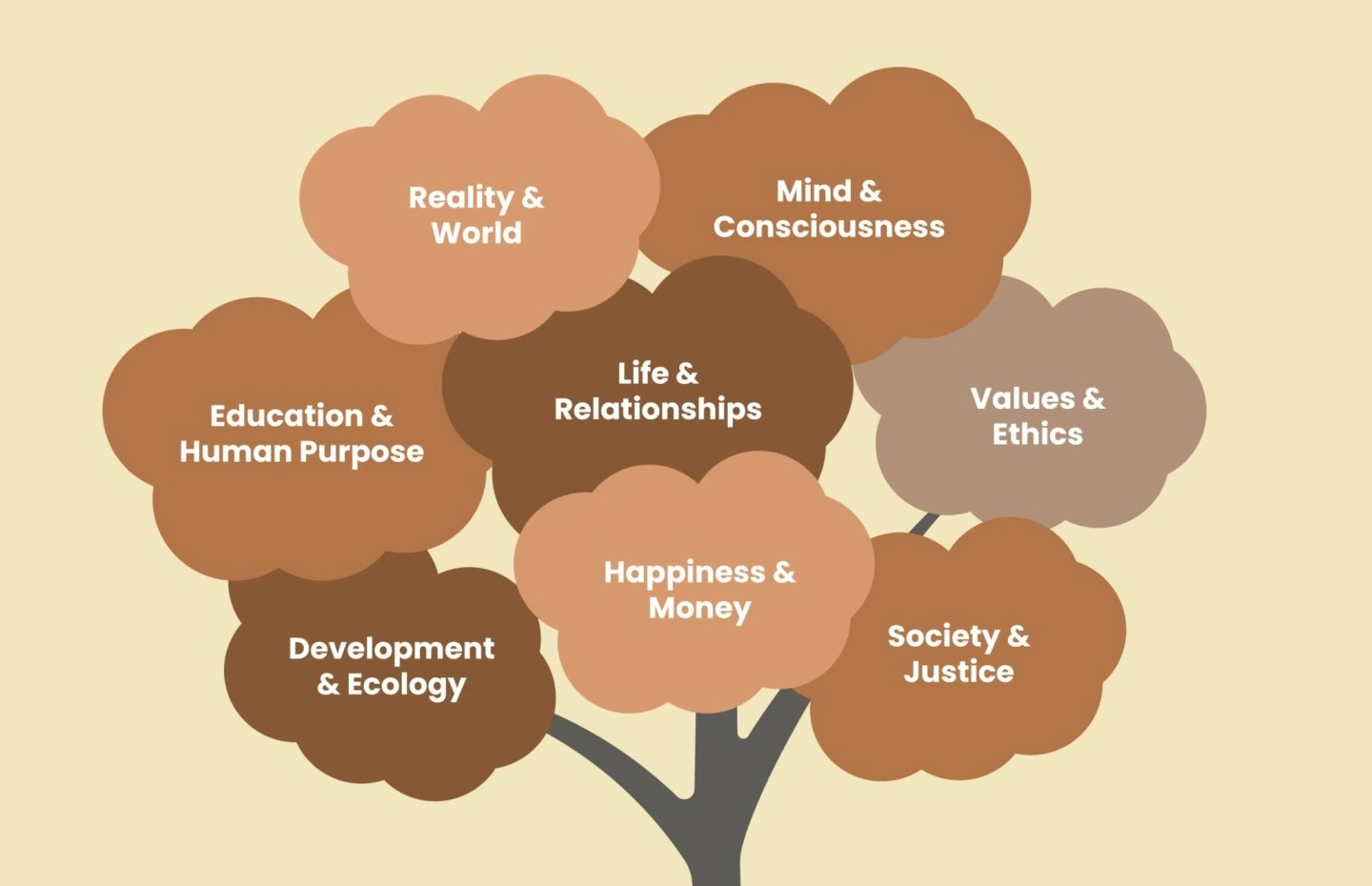
See it at a glance
Read, watch, attend
My writing on Madhyastha Darshan
Essays applying Madhyastha Darshan to daily life will appear here. Tag a post with categories: [Madhyastha Darshan] and it shows up automatically.
Go a little deeper
The literature: 12 books
The philosophy is set out in 12 books, written originally in Hindi. Four are the core darshans:
- Manav Vyavahar Darshan: human behaviour
- Manav Karma Darshan: human action
- Manav Abhyas Darshan: human practice
- Manav Anubhav Darshan: human realisation
How it differs from materialism and spiritualism
It presents itself as an alternative to both. In place of conflict-centred materialism it proposes resolution-centred materialism. In place of mysticism-centred spiritualism it proposes realisation-centred spiritualism. It says it neither asks us to renounce the world nor to indulge in it.
About A. Nagraj
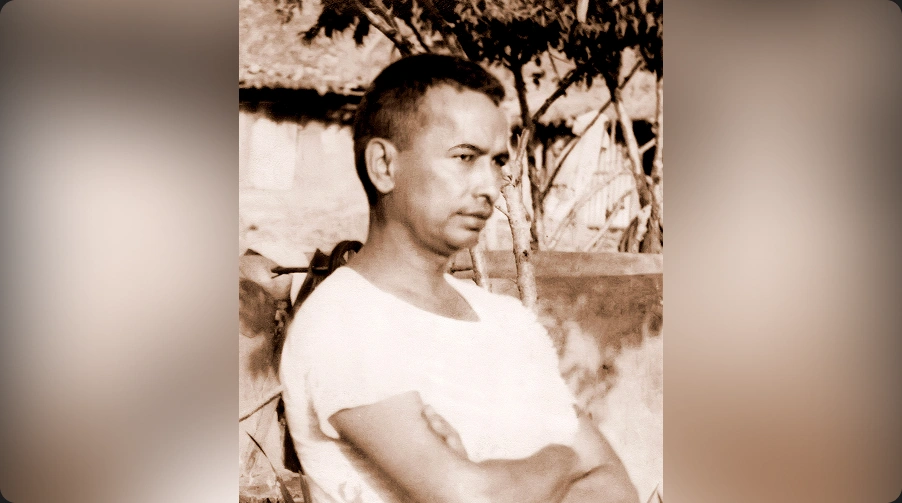
Shri A. Nagraj (1920–2016) was born in Hassan, Karnataka, and later lived in Amarkantak, Madhya Pradesh. After years of meditative research he presented Madhyastha Darshan, which he called a proposal for universal good, open for everyone to evaluate and verify. Photo: madhyasth.org
Summarised in my own words from madhyasth.org. Diagrams and photograph belong to their original publishers and are shown with credit. Please refer to the official site for authoritative material. Essays on this blog are my personal understanding.