We think time is important to complete any task. But it is actually energy. If you have the energy, you’ll finish a task in much less time than when you are not in the mood. Energy is the fundamental currency which determines our ‘output’. Energy determines our relations. Ever felt so exhausted at the end of the day that you just ‘vented’ out badly on your significant half or parents? If only, we had more energy and not exhausted. If only…..

If only we had energy to attend all social events, do all our assignments on time, attend all calls and sleep 8 hours daily…..
So what are the factors, which determine our energy levels. First, it is the diet, excercise and other wellness practices. Second, our focus or motivation to do a ‘certain’ task. Third is the human-to-human relations we have. Let’s focus on the first parameter.
Boosting your energy requires balancing your hormone levels, immune system, and gut health. And a change of diet may greatly improve your hormonal balance and gut health.
Energy Levels = Gut Health + Immune System + Hormone levels
Energy Trifecta
PARAMETER 1: GUT HEALTH:
To improve your energy levels, I have identified certain tips, after going through some literature and books such as ‘I’m so effing tired‘ by Amy Shah and The Energy Plan by James Collins. In fact, this essay is inspired by their writings.
Tip 1 : We have to eat atleast 6 to 8 servings of vegetables daily. This is important because:
- Vegetables contain hundreds of phytonutrients, or plant hormones. These have a hormone-balancing effect in the human body.
- Plants are also the best source of fiber. Fiber is full of prebiotics that are crucial for gut health. Fiber is full of prebiotics that are crucial for gut health.
- Reducing – or cutting out – inflammatory foods like dairy products, meat, and processed sugar.
- You should also eat more resistant starches, like white rice and starchy vegetables such as sweet potatoes, carrots and pumpkins. These starches can radically change your gut biome. Our ‘pop-science’ which teaches cooked white-rice is bad is just a myth!!!
Tip2 : The Sanjeevani for immunity and gut health – Prebiotics, Probiotics and Post-biotics.
What are probiotics?
According to the World Health Organization, probiotics are living strains of bacteria (often referred to as “good bacteria”) which, when consumed in adequate amounts, provide health benefits to the person ingesting them.
Since these types of bacteria are only able to take up temporary residence in the gastrointestinal tract (read: days or weeks at maximum), evidence suggests that in order for probiotics to provide an actual positive impact, they must be consumed on a consistent basis—ideally, daily.
What are prebiotics?
In contrast to probiotics, which are live bacteria, prebiotics are not living organisms—they’re nondigestible food ingredients that strategically support the “good bacteria” that already exist in your gut. Certain prebiotics, such as the ones found in complex carbs, feed the probiotic bacteria so it can grow, while others provide support in different ways (such as by singling out “bad bacteria” to free up space for the good stuff.
Prebiotic fiber is found in vegetables such as parsnips, radishes, raw banana, flax seeds, Garlic and psyllium husk powder.
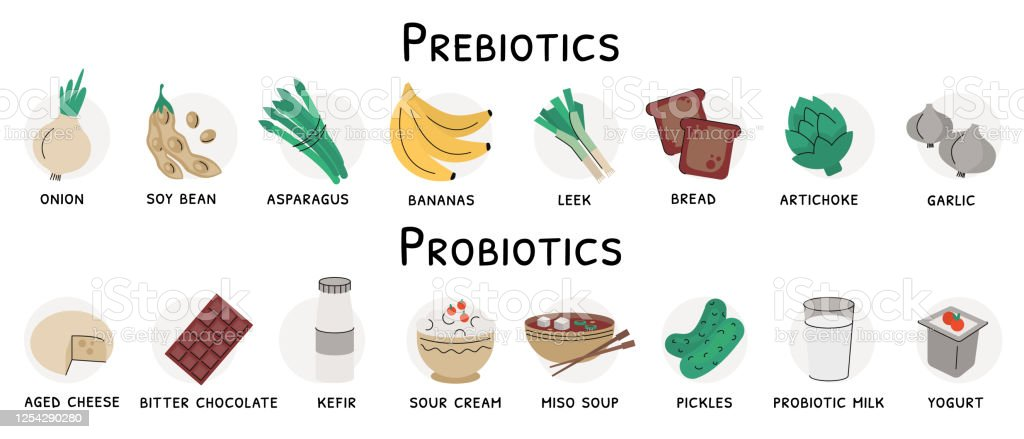
I have attached a video and links below, which shows how to prepare certain probiotic drinks and which explain the uses of both prebiotics and probiotics.
What are post-biotics?
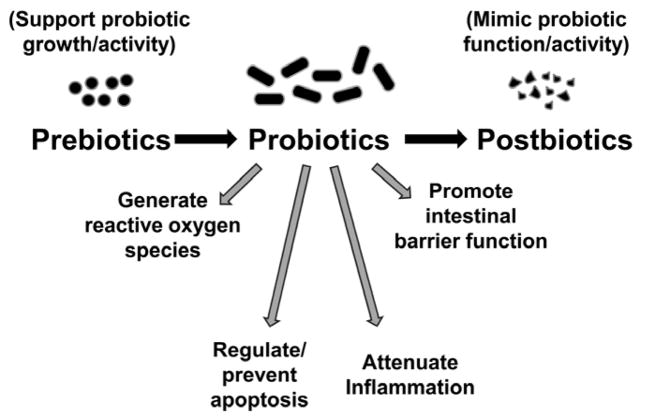
Post-biotics are the usable waste formed by probiotics when they eat prebiotics. They act as chemical messengers between your gut and mitochondria, the energy factories in each cell. Foods that boost postbiotic production include cruciferous vegetables like broccoli and cauliflower, as well as alliums like onions and garlic.
Tip 2 b: Avoid highly processed foods, fast-food restaurants and sugar. No matter how you try to justify it, both of these options will only drain your microbiome. If we’re eating a poor diet, experiencing stress, traveling, or taking certain medications, our intestinal flora is stressed and bad-bacteria proliferate. The bloating during travelling, diarrhea during medications etc., is just example of this. This can compared to over 8 magnitude earthquake in our bodies. Inflammation, nutrient absorption and hormones goes off the charts .
Tip 2 c: Another enemy of your gut health is plant proteins called lectins, which are difficult to digest. These are found in breads, pasta, white potatoes, grains, and tomatoes. High-lectin foods are energy-drainers, causing your body to absorb fewer nutrients, your inflammation levels to rise, and your good gut bacteria to die off. Again resistant starches like rice is good, but not maida (refined wheat flour).
Tip 2 d : Be a vegetarian majority of the time. High-protein diets rich in animal products and saturated fats bog down your good bacteria. Before long, your health and energy begin to bog down, too.
PARAMETER 2: IMMUNITY & Inflammation
Inflammation is believed to play a central role in many of the chronic diseases that characterize modern society. Inflammation affects your energy level in three ways.
- First, it causes such life-style diseases and ailments that the quality of life is seriously affected.
- Second, it depletes your body of energy, which it redirects to create the inflammation.
- Third, it makes it more difficult for your body to absorb vital proteins, vitamins, and minerals from food.
What causes chronic inflammation?
Referred from the https://www.healthline.com/health/chronic-inflammation#causes , Several things can cause chronic inflammation, including:
- untreated causes of acute inflammation, like an infection or injury
- an autoimmune disorder, which involves your immune system mistakenly attacking healthy tissue
- long-term exposure to irritants, like industrial chemicals or polluted air
Factors like pollutants and auto-immune disorders are not in our hands. It is determined by where our homes are and what is our genetics. But what is in our hands is protecting the ‘saviour’ bacteria of our guts.
Tip 3: Save your Gut-Bacteria as you would save your baby
The post-biotics and the effects of good-bacteria are anti-inflammatory. This is conveyed by scores and scores of studies.
Inflammation may be triggered by structural components of the bacteria which can result in a cascade of inflammatory pathways involving interleukins and other cytokines. Similarly, by-products of metabolic processes in bacteria, including some short-chain fatty acids, can play a role in inhibiting inflammatory processes.
The Gut Microbiota and Inflammation: An Overview
Zahraa Al Bander,1,* Marloes Dekker Nitert,2 Aya Mousa,1,† and Negar Naderpoor1,*†
Tip 4: Let’s talk about ‘fats’: length of chain and stability
There are good fats, and then there are bad-fats. This is the story of almost everything in life. Let’s see which of them are good?
Which kind of fats cause inflammation?
The shorter the molecule, the rarer and more anti-inflammatory it is.
Further, fats with stable structure, don’t oxidise easily and therefore don’t cause inflammation. So it is majorly the trans-fats, hydrogenated fats, saturated fats in animal products and damaged and refined oils., which are bad. Some saturated fats like ghee are good, but only should be taken in moderation.
The bad fats cause inflammation in the body, and are linked to diabetes, stroke, and heart disease. Refer to the study below:
…..the evidence suggests that saturated fatty acids induce inflammation in part by mimicking the actions of LPS. (high-fat meals promote endotoxin [e.g., lipopolysaccharide (LPS)] translocation into the bloodstream, stimulating innate immune cells and leading to a transient postprandial inflammatory response.)
The Science of Fatty Acids and Inflammation1,2,3
Kevin L Fritsche*
As explained above, maintaining gut health and eating right fats are the two first steps for improving energy levels.
Parameters of immunity, hormone levels and inflammtion are positively influenced by rest, exercise, intermittent fasting and spiritual practices such as meditation, chanting, community prayers etc., They increase our energy levels, and I will try to cover them in later parts, along with Focus, motivation and human-to-human relations in later posts.
First published on circlesnlines.wordpress.com, preserved here.